
What Happens During a Diabetic Eye Exam? Protecting Your Vision in Mississauga

What Happens During a Diabetic Eye Exam? Protecting Your Vision in Mississauga

What Happens During a Diabetic Eye Exam? Protecting Your Vision in Mississauga

What Happens During a Diabetic Eye Exam? Protecting Your Vision in Mississauga

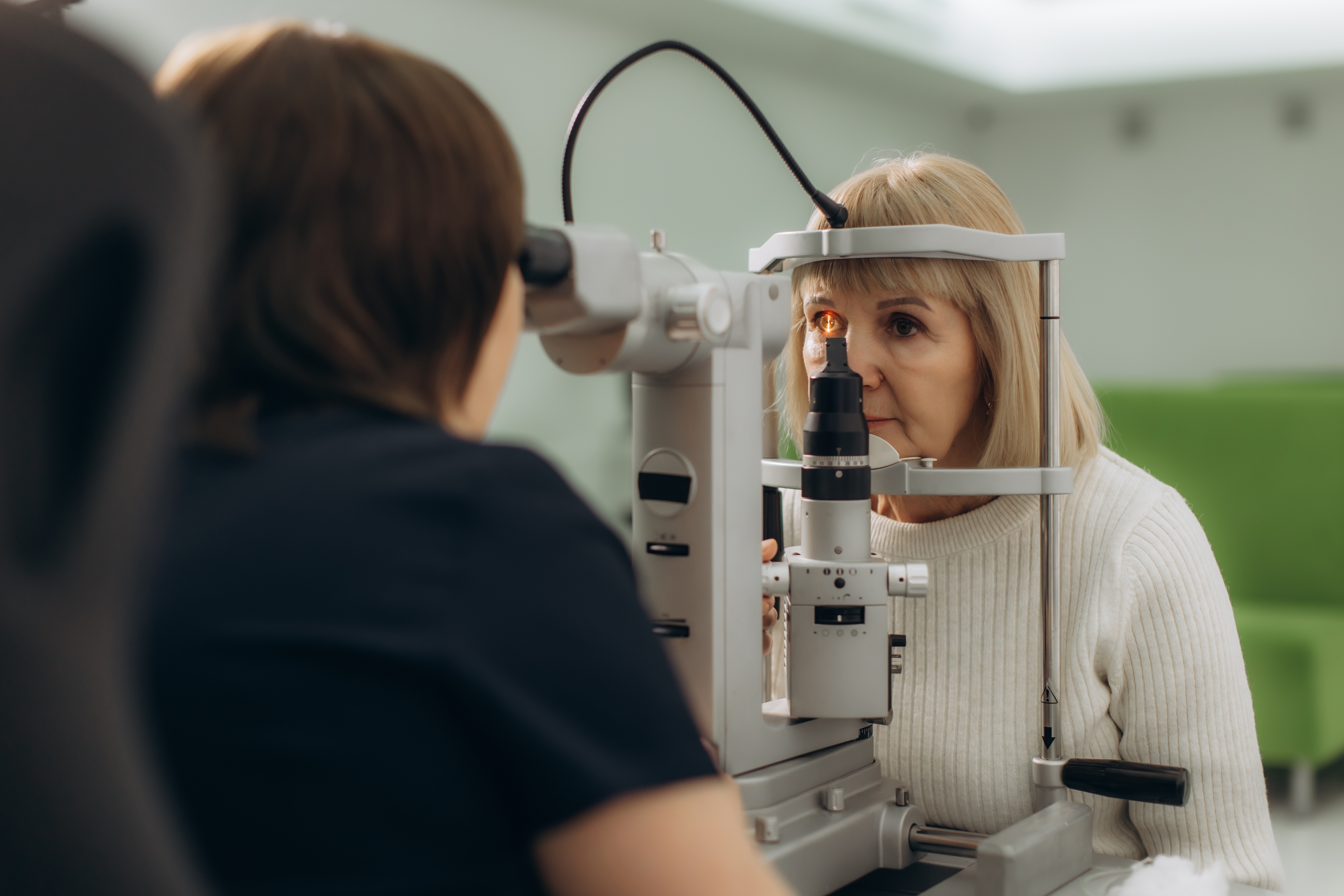
Diabetes can affect your eyes long before you notice changes in your vision. That is why regular diabetic eye exams are an important part of managing your overall health. At Erin Mills Eye Clinic in Mississauga, we look beyond your glasses prescription to assess the health of your eyes and identify signs of diabetes-related damage as early as possible.
Why Are Diabetic Eye Exams Important?
Over time, elevated blood sugar can damage the small blood vessels in the retina, the light-sensitive tissue at the back of your eye. This may lead to diabetic retinopathy or swelling in the macula, the part of the retina responsible for sharp central vision.
These conditions may develop without noticeable symptoms. You can read, drive, and carry out daily activities comfortably while early retinal changes are occurring. A comprehensive diabetic eye exam helps us detect these changes and determine whether additional monitoring or treatment is needed.
What Happens During a Diabetic Eye Exam?
Your appointment includes several assessments designed to evaluate your vision and eye health. Depending on your needs, we may perform:
· Health history review: We discuss your diabetes diagnosis, medications, blood sugar management, blood pressure, and any changes in your vision.
· Vision testing: We measure how clearly you see and check whether your glasses or contact lens prescription has changed.
· Eye health assessment: We examine the front of your eyes and may measure eye pressure to look for other concerns.
· Dilated retinal examination: Eye drops may be used to widen your pupils so we can closely examine your retina and its blood vessels.
· Retinal imaging: When appropriate, we may use imaging such as Optomap or optical coherence tomography (OCT) to document retinal structures and assess for changes.
Most parts of the exam are straightforward and non-invasive. If dilation is needed, your near vision may be temporarily blurry, and your eyes may be more sensitive to light for several hours. Plan your journey home accordingly.
What Are We Looking For?
During your diabetic eye exam in Mississauga, we look for leaking or abnormal retinal blood vessels, bleeding, and swelling that may indicate diabetic retinopathy or diabetic macular edema. We also assess your overall eye health, since diabetes is associated with a higher risk of certain other eye conditions.
If we find concerning changes, we explain the results and discuss appropriate next steps. Depending on the findings, that may include closer monitoring or a referral to an ophthalmologist for further care.
How Often Should You Have a Diabetic Eye Exam?
Your recommended exam schedule depends on your type of diabetes, how long you have had it, and whether previous exams have shown retinal changes. Many patients need regular yearly assessments, while others may need visits more or less frequently based on clinical guidance.
Even if your eyesight seems unchanged, do not rely on symptoms to tell you when to book. Bring your current medication list and any relevant diabetes health information to help us understand your needs.
To schedule a diabetic eye exam, contact Erin Mills Eye Clinic in Mississauga, Ontario, at (647) 496-9500.


Monday - Friday
9:30 AM to 7:00 PM
Saturday & Sunday
10:00 AM to 3:30 PM
© 2026 Erin Mills Eye Clinic. All Rights Reserved. Accessibility Statement - Privacy Policy - Sitemap
Powered by: 